Reports Highlight Detention of Palestinian Journalists by Israeli Forces
International press freedom organizations and advocacy groups report that Israeli forces are currently holding at least 37 Palestinian journalists. Many of these individuals are reportedly being detained under administrative detention, a policy allowing for imprisonment without charge or trial, raising significant concerns regarding media freedom and human rights.
Jimmy Kimmel Shifts Senate Interview to YouTube Amid Regulatory Concerns
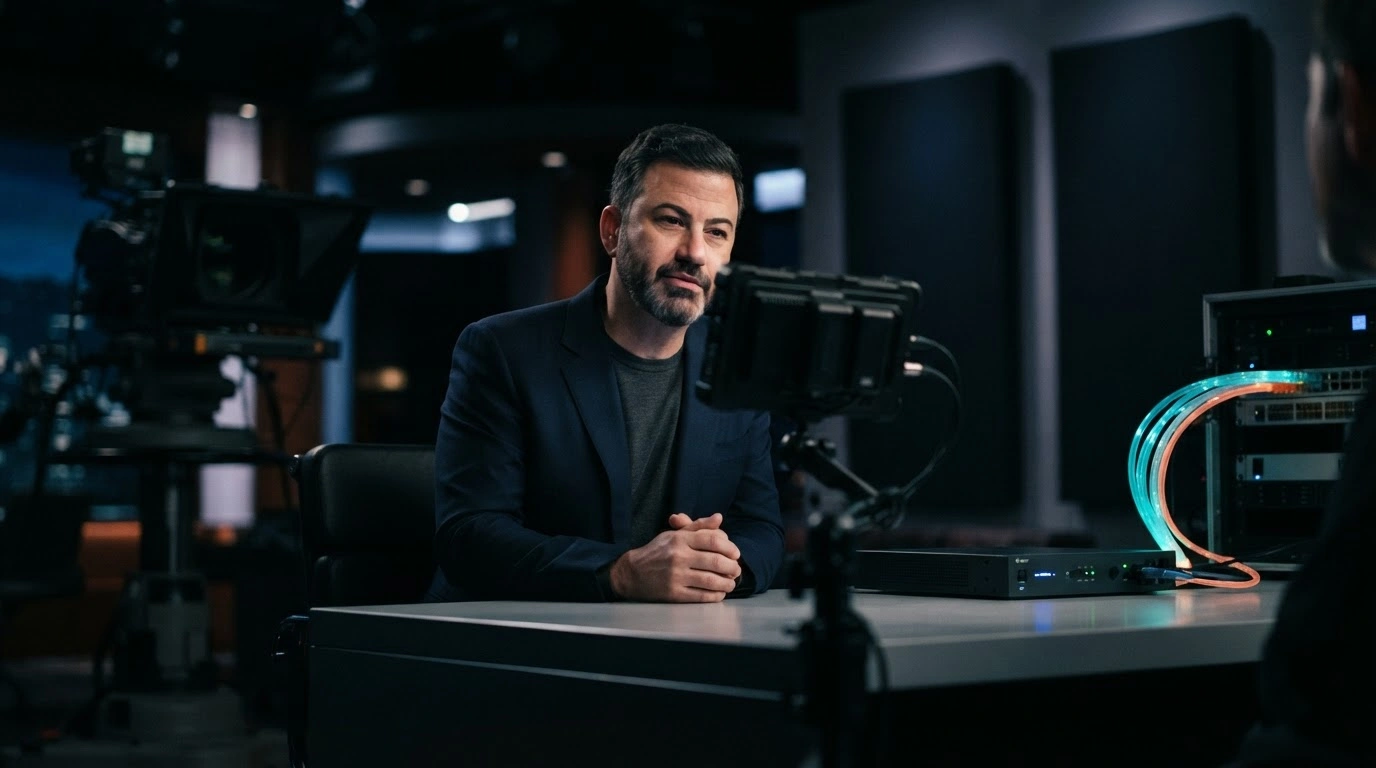
Talk show host Jimmy Kimmel has moved a scheduled interview with a U.S. Senator to YouTube. The decision follows concerns regarding potential regulatory hurdles and communications involving the Federal Communications Commission (FCC) regarding broadcast standards and political content regulations.
Turkish Courts Set to Hear Cases Against Multiple Journalists This Week
Turkish courts are scheduled to preside over several trials involving journalists this week. The proceedings, which center on charges related to freedom of expression and alleged ties to organizations, continue to draw scrutiny from international press freedom advocates monitoring the legal environment for media workers in Turkey.
Carmen Aristegui to Deliver Keynote at 19th Ibero-American Journalism Colloquium
Renowned Mexican journalist Carmen Aristegui has been named the keynote speaker for the 19th Ibero-American Journalism Colloquium. The event, a cornerstone for media professionals in the region, will feature discussions on the state of press freedom and the evolving challenges facing investigative journalism in Latin America.
RSF Report Alleges China's Media Influence Silences Uyghur Voices in Turkey
A new report by Reporters Without Borders (RSF) claims that China is exerting growing influence over media in Turkey to suppress Uyghur perspectives. The investigation highlights how diplomatic and economic pressure is increasingly limiting the ability of the Uyghur diaspora to speak out about human rights concerns within the country.
Montenegrin Court Halts Ownership Transfer of TV Vijesti
A Montenegrin court has issued a temporary measure blocking the change of ownership for TV Vijesti, one of the country's leading media outlets. The legal intervention halts ongoing transactions involving the station's equity, pending further judicial review of the dispute. The decision marks a significant development in the media landscape of Montenegro.
Russian Authorities Intensify Scrutiny Over Documentation of Military Burial Sites
Russian authorities are increasingly targeting individuals who document military casualties by photographing war graves. Reports indicate that such activities are being framed under severe legal statutes, including treason and cooperation with foreign entities, as the state seeks to control the narrative surrounding losses in the ongoing conflict in Ukraine.
Reporter Settles Federal Lawsuit Over Marion County Record Police Raid for $850,000
Deb Gruver, a reporter for the Marion County Record, has reached an $850,000 settlement in her federal lawsuit against the city of Marion, Kansas. The legal action followed a controversial 2023 police raid on the newspaper's office and the publisher's home, which drew national attention regarding press freedom and First Amendment rights.
Concentration of Media Ownership by Billionaires Sparks Debate in France
The consolidation of French media outlets under a small group of billionaire owners has triggered intense national debate. Critics argue this trend threatens editorial independence and democratic discourse, while owners maintain they are preserving vital institutions. The issue has prompted legislative scrutiny and calls for stronger protections for journalistic autonomy.
Rising Costs and Persistent Filtering Tighten Internet Access in Iran
Internet users in Iran are facing increased financial burdens and connectivity hurdles. New data calculation methods have effectively raised service costs, while ongoing government-imposed network filtering and the blocking of major international platforms continue to restrict access to the global internet for millions of citizens.
Dubai Establishes Media Narrative Committee to Enhance Strategic Communication
The Government of Dubai has launched the Dubai Media Narrative Committee to strengthen the emirate's global image. Chaired by Sheikh Ahmed bin Mohammed bin Rashid Al Maktoum, the committee aims to unify media messaging, counter misinformation, and promote transparent, accurate communication across all platforms in alignment with Dubai's strategic vision.
Indian Government Summons Meta Executives Over Restricted Video of Prime Minister Modi
The Indian government has summoned Meta executives to provide an explanation after a video featuring Prime Minister Narendra Modi was briefly restricted on Facebook. The incident, which triggered concerns regarding platform moderation policies, prompted officials to seek clarity on the automated systems that led to the temporary removal of the content.
Federal Judge Halts Paramount-Skydance Merger Amid Antitrust Concerns
A federal judge has temporarily blocked the proposed merger between Paramount Global and Skydance Media. The injunction follows an antitrust lawsuit filed by a coalition of state attorneys general, who argue the deal could stifle competition and harm consumers in the media and entertainment landscape.
Italian Prosecutors Name Valter Lavitola as Suspect in Threats Against Journalist Sigfrido Ranucci
Italian prosecutors have identified businessman Valter Lavitola as a suspect in an ongoing investigation into threats and intimidation directed at journalist Sigfrido Ranucci. Ranucci, the host of the investigative program 'Report', has faced a series of intimidatory actions, leading to heightened security measures and a formal probe by judicial authorities in Rome.
Knesset Committee Advances Controversial Media Reform Bill
A Knesset committee in Israel has approved a contentious media reform bill for its final readings. The proposed legislation, which seeks to restructure the broadcast regulatory framework, has sparked significant debate, with critics raising concerns regarding potential political interference in the independence of the country's media outlets.
Hungary to Declassify Communist-Era Secret Service Files in October 2026
The Hungarian government has introduced legislation to make secret service files from the Communist era accessible to the public. Starting in October 2026, this initiative aims to provide transparency regarding the activities of the state security apparatus during the regime, allowing citizens and researchers to access long-sealed historical documents.
Indian Government Directs Meta to Pause WhatsApp Username Feature Rollout
The Indian government has issued a formal notice to Meta, ordering an immediate halt to the rollout of a new username feature on WhatsApp. Authorities have requested detailed information regarding the feature's security and privacy implications, setting a three-day deadline for the company to respond to these regulatory concerns.
Bangladesh Authorities Issue Warning Against Broadcasting Statements by Former PM Sheikh Hasina
Bangladesh authorities have issued a stern warning to media outlets, prohibiting the broadcast or publication of statements by former Prime Minister Sheikh Hasina. The directive follows a court-imposed ban, with officials citing legal restrictions and potential risks to public order as the primary reasons for the enforcement of this measure.
Press Freedom Groups Urge NATO to Address Accreditation Denials for Turkish Media
International press freedom organizations have called on NATO to intervene following the denial of media accreditation to several independent Turkish outlets for an upcoming summit. The move has sparked concerns regarding transparency and the ability of independent journalists to cover high-level international diplomatic events held in Turkey.
Brazil's TSE Suspends Liberal Party Advertisement Linking President Lula to Criminal Groups
Brazil's Superior Electoral Court (TSE) has ordered the suspension of a political advertisement from the Liberal Party (PL). Justice André Mendonça ruled that the video, which attempted to link President Luiz Inácio Lula da Silva to criminal organizations, violated electoral regulations regarding the dissemination of misinformation.