Amnesty International Reports Deceptive Recruitment of Cuban Nationals for Russian War Effort
Amnesty International has raised concerns regarding the deceptive recruitment of foreign nationals, specifically Cubans, into the Russian military. Reports indicate that individuals are being lured with promises of high wages and legal status, only to be funneled into the ongoing conflict in Ukraine, prompting international scrutiny over human rights and human trafficking concerns.
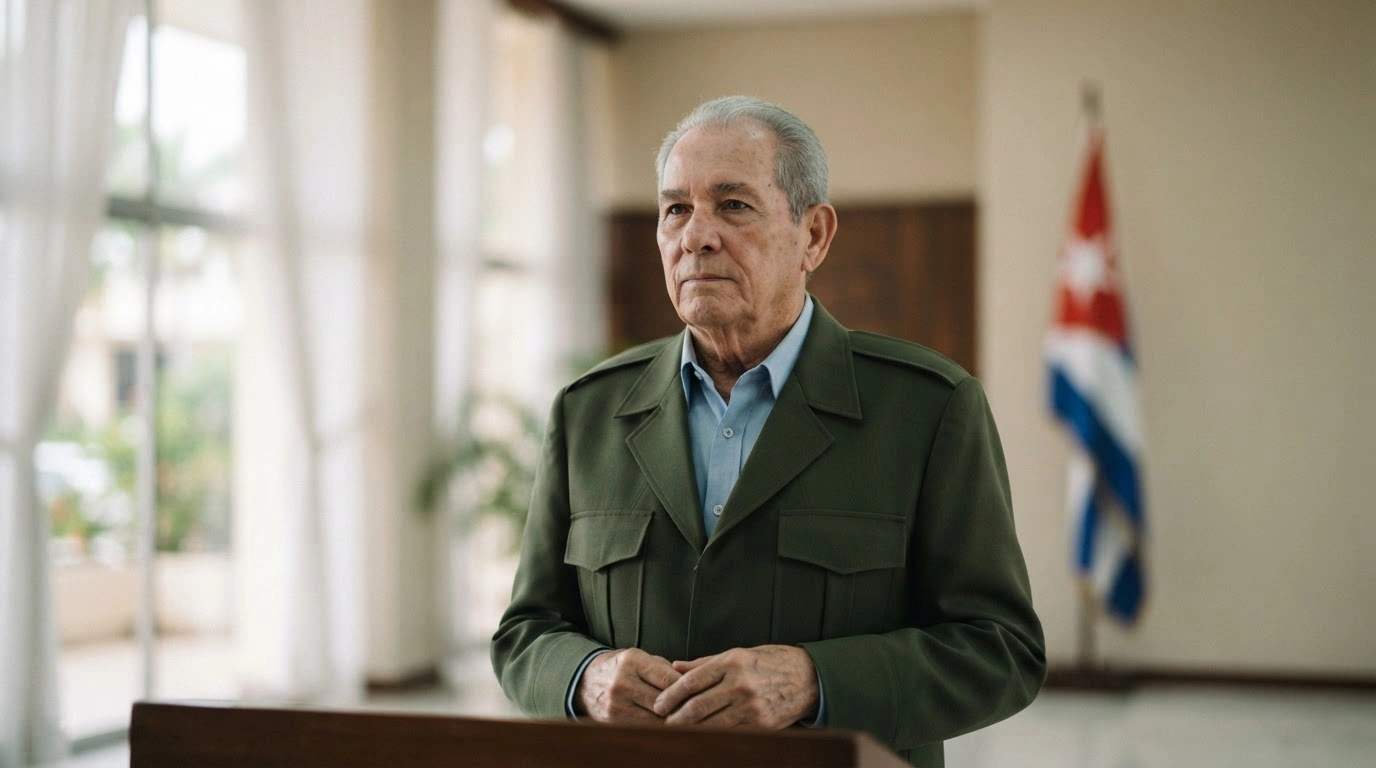
Raúl Castro Makes Public Appearance Amidst Health Speculation in Cuba
Former Cuban leader Raúl Castro has made a public appearance, effectively countering recent social media rumors concerning his health. The event, documented by state media, serves to address widespread speculation regarding the 93-year-old revolutionary figure's well-being.
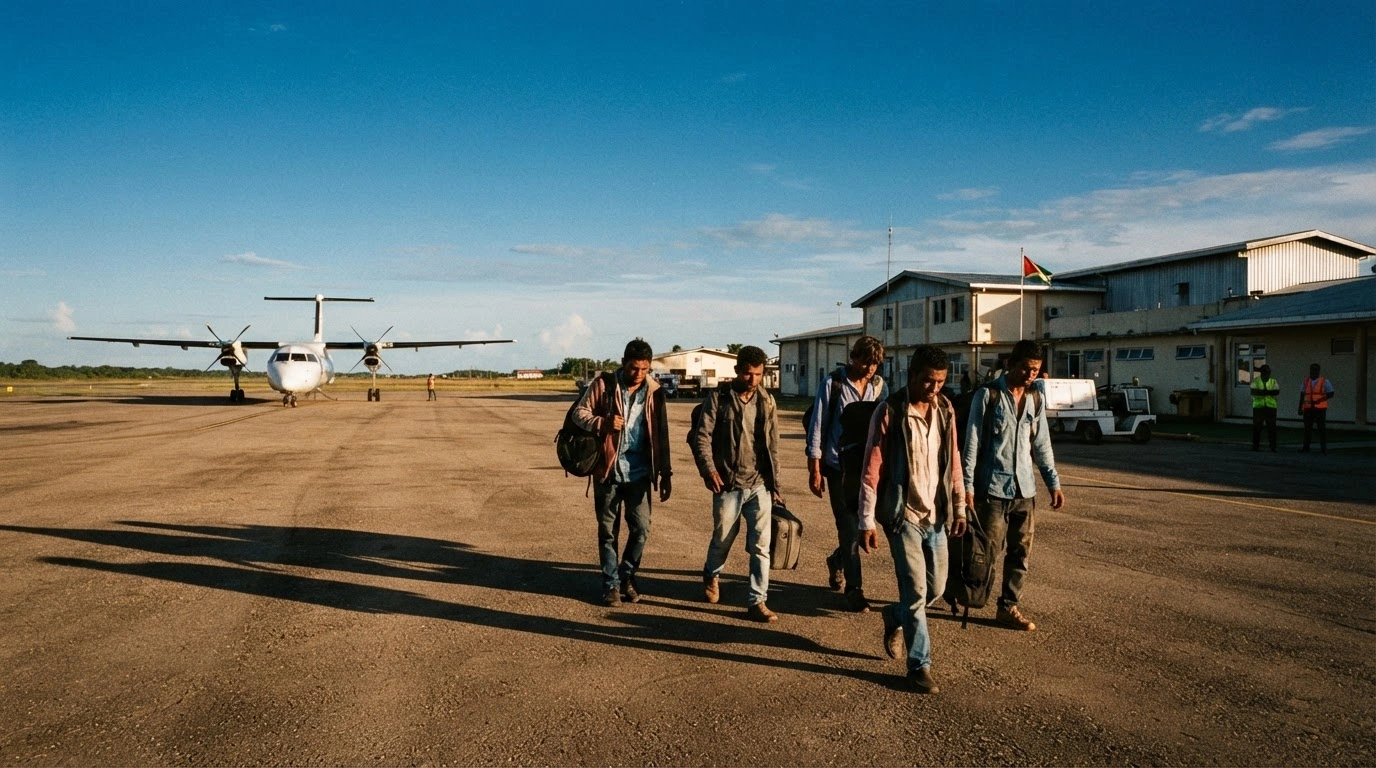
Six Cuban and Afghan Nationals Arrive in Guyana Following U.S. Deportation
Six individuals, including Cuban and Afghan nationals, have arrived in Guyana after being deported from the United States. The transfer was facilitated under a third-country agreement, marking a notable development in regional migration management and U.S. immigration enforcement protocols involving third-party nations.
NGO Open Arms Delivers Seven Tons of Humanitarian Aid to Havana
The humanitarian organization Open Arms has successfully delivered seven tons of essential medical supplies and powdered milk to Havana, Cuba. This shipment aims to bolster local hospital resources and provide critical support to the Cuban healthcare system amidst ongoing supply challenges.
Spanish Hotel Chains Reduce Presence in Cuba Amid Evolving US Sanctions
Major Spanish hotel operators have adjusted their business strategies in Cuba, citing the complexities of intensified US sanctions. The shift follows long-standing executive orders targeting foreign companies that manage properties linked to state-owned entities, prompting a re-evaluation of international hospitality investments on the island.
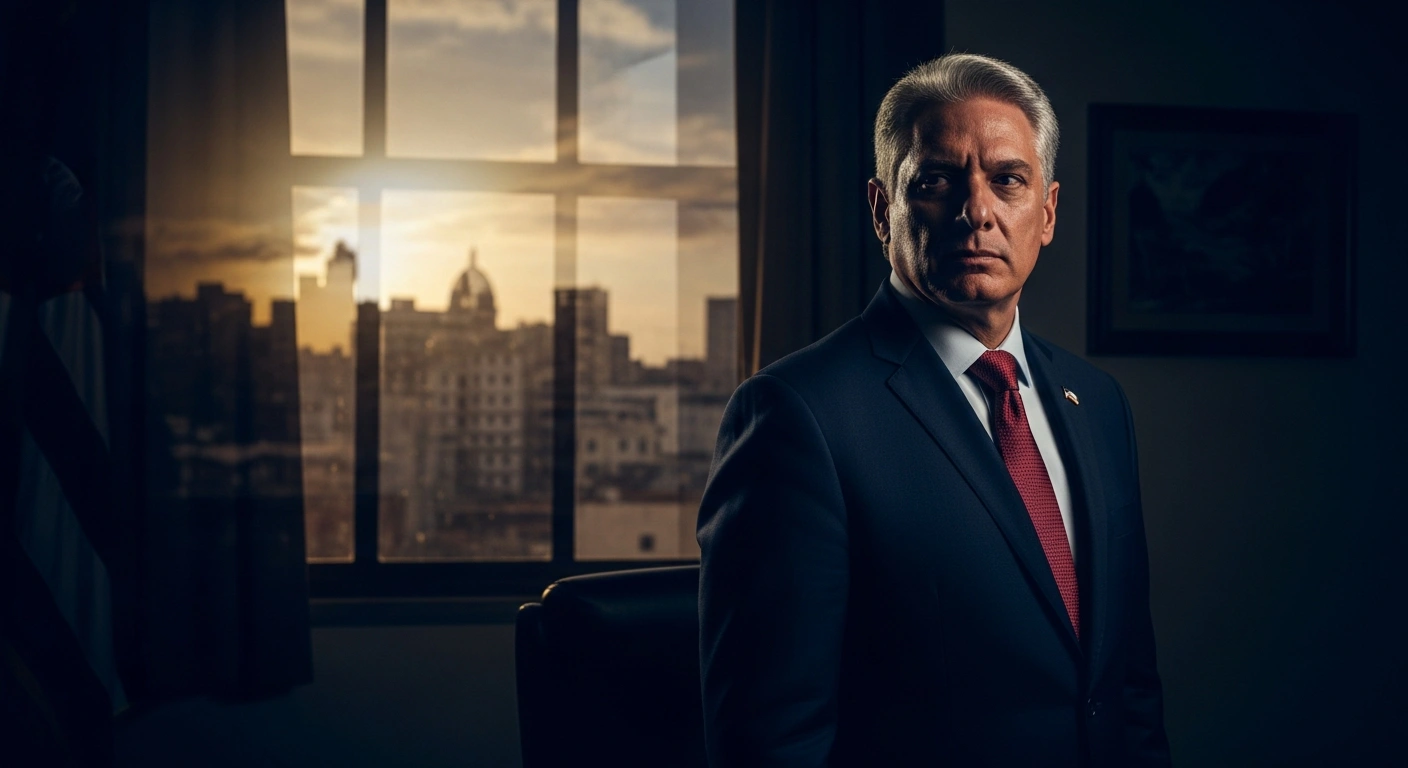
Cuban President Miguel Diaz-Canel Rejects Economic Collapse Claims Amid US Tensions
Cuban President Miguel Diaz-Canel has publicly dismissed predictions of an imminent economic collapse in Cuba. During his address, he criticized the United States government, specifically under the Trump administration, accusing it of implementing policies designed to economically suffocate the island nation through increased sanctions and pressure.
CBS News 'Face the Nation' Examines Escalating Crisis in Cuba
CBS News' 'Face the Nation' recently highlighted the deepening political and economic crisis in Cuba. The segment explored the country's severe shortages of food, fuel, and medicine, alongside the impact of recent government policies and the ongoing migration challenges facing the island nation.
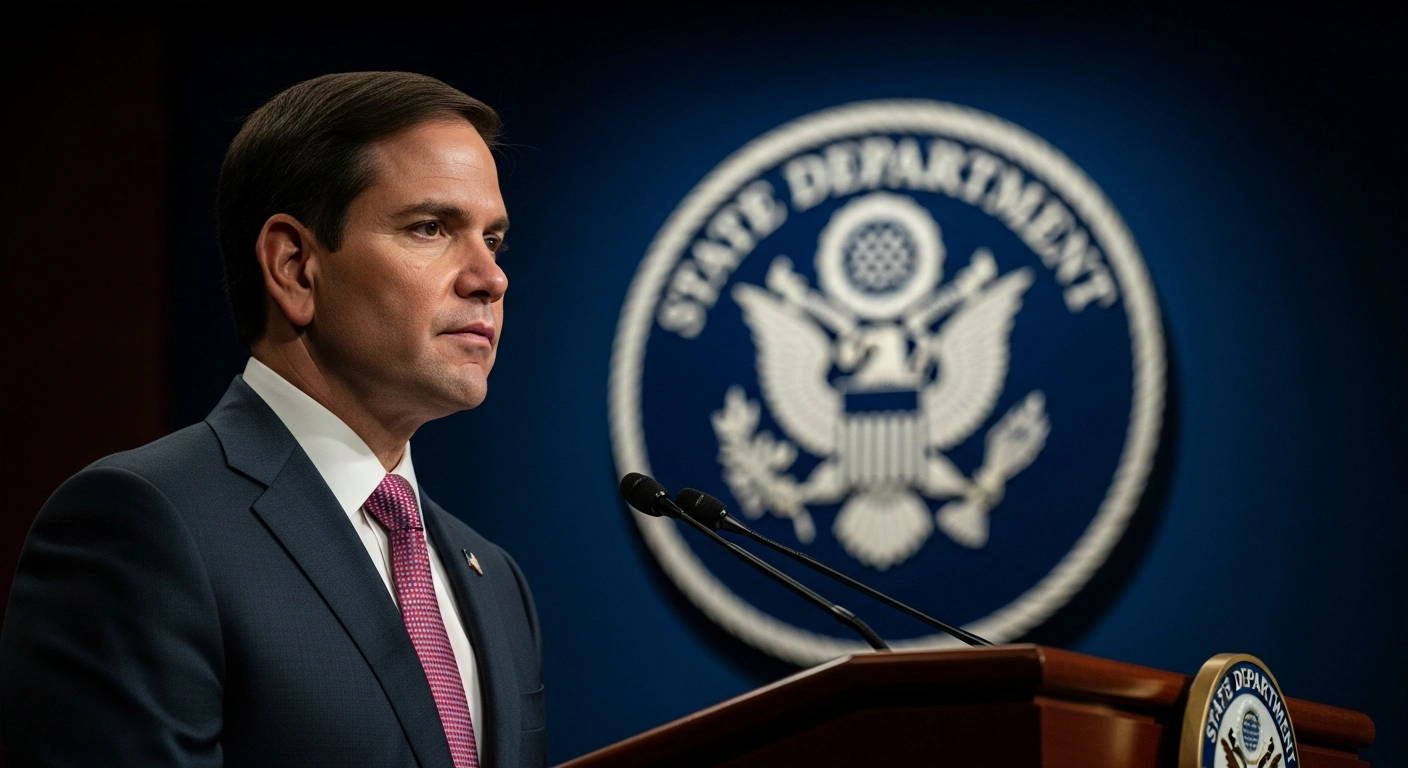
Secretary of State Marco Rubio Outlines Vision for Political Transition in Cuba
U.S. Secretary of State Marco Rubio has expressed confidence that Cuba will be on an irreversible path toward political change by the end of the current administration. Rubio emphasized a commitment to supporting democratic aspirations on the island, signaling a potential shift in U.S. policy toward the Cuban government.
Partial Collapse of Cuba's National Electric System Triggers Widespread Outages
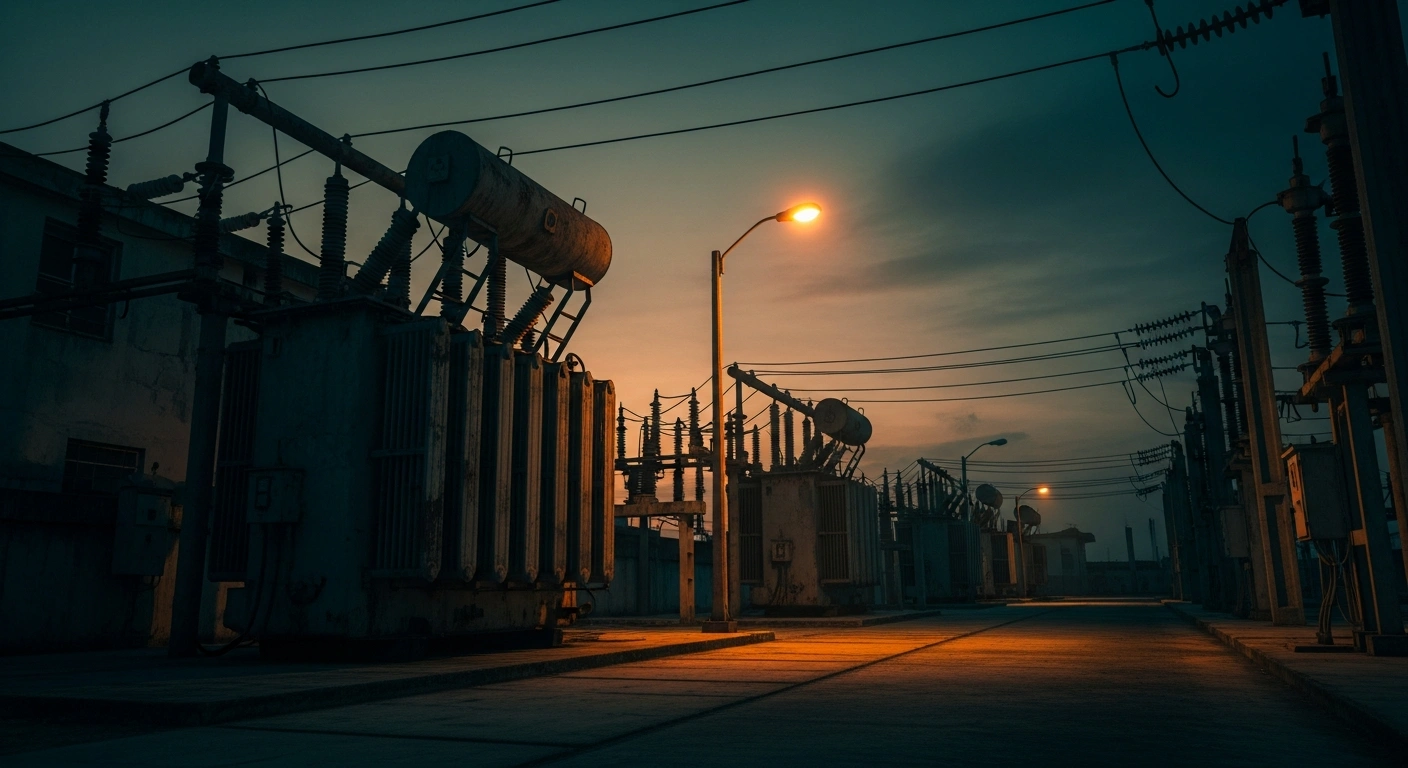
A partial failure of Cuba's national electric grid has left five western provinces, including the capital city of Havana, facing significant power outages. Authorities are working to stabilize the system as the country continues to grapple with ongoing energy infrastructure challenges and fuel shortages affecting the national power supply.
Cuban President Miguel Diaz-Canel Condemns US Sanctions as Genocidal Policy
Cuban President Miguel Diaz-Canel has intensified his criticism of the United States, labeling the ongoing economic sanctions and pressure against the island as a 'genocidal policy.' Diaz-Canel argues these measures are designed to destabilize the nation and facilitate the appropriation of Cuba's sovereignty, amidst ongoing economic challenges facing the country.
Spanish Hotel Giant Meliá Hotels International Announces Exit from Cuba
Meliá Hotels International has announced plans to end its operations in Cuba, citing complex legal and financial challenges stemming from long-standing U.S. sanctions. The decision marks a significant shift for the Spanish hospitality group, which has maintained a presence in the Caribbean nation for decades.
U.S. Congressional Delegation Visits Cuba to Assess Energy Crisis
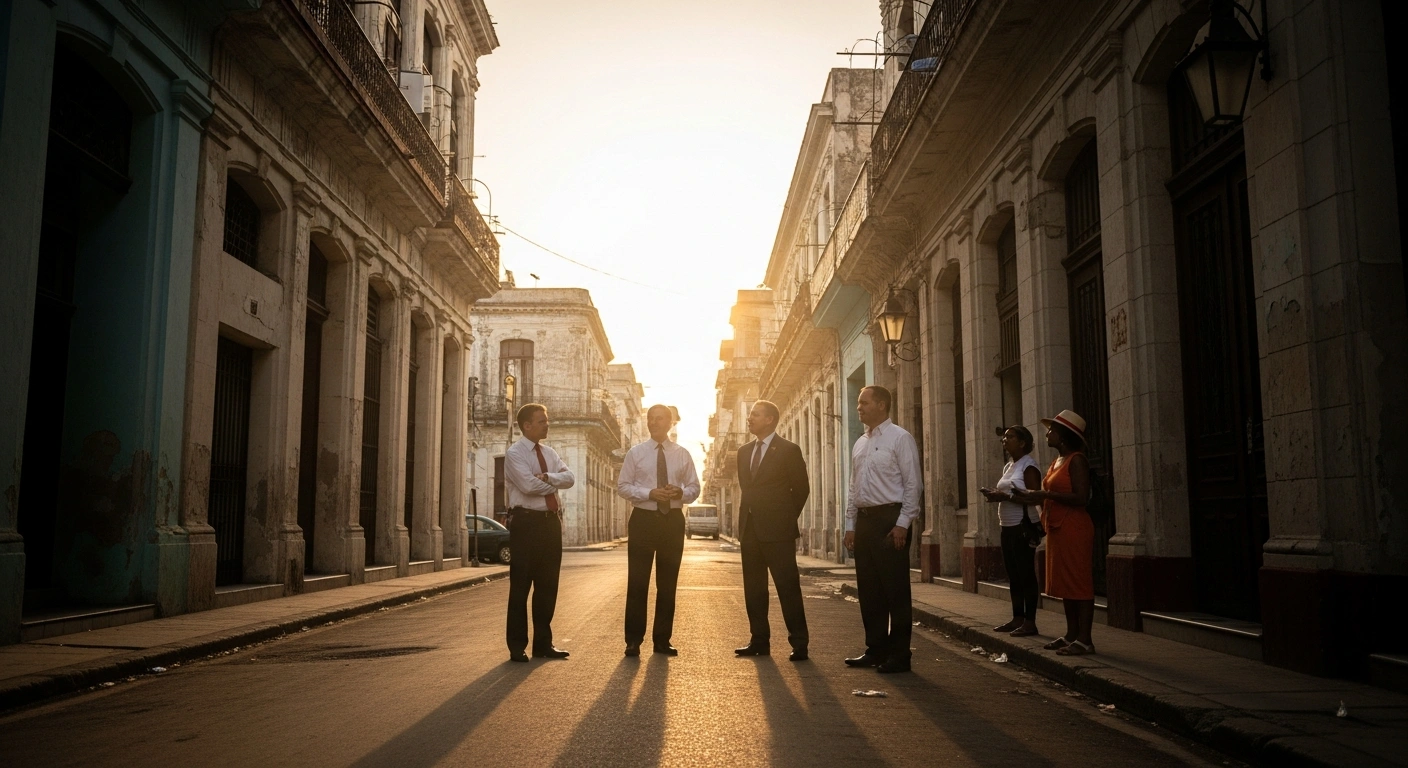
A delegation of four U.S. Democratic representatives traveled to Cuba in mid-July to evaluate the island's ongoing energy crisis. The visit focused on the impact of U.S. sanctions and the severe power shortages affecting the Cuban population, marking a notable diplomatic engagement amid long-standing tensions between the two nations.
Cuban President Miguel Díaz-Canel Rejects U.S. Security Allegations Amid Energy Crisis
Cuban President Miguel Díaz-Canel has formally refuted U.S. assertions that Cuba constitutes a national security threat. Addressing the international community, Díaz-Canel highlighted the island's severe energy crisis and economic challenges, arguing that such claims are unfounded and serve to justify continued restrictive policies against the nation.
Cuban Foreign Minister Denounces US 'Energy Siege' at UN General Assembly
Cuban Foreign Minister Bruno Rodriguez Parrilla has accused the United States of imposing an 'energy siege' on Cuba, citing the impact of long-standing economic sanctions. Speaking at the UN General Assembly, Rodriguez argued that these measures are designed to destabilize the island's power grid and economy, a claim the US government has consistently denied.
Cuba Accelerates Solar Energy Expansion Through Chinese Partnership
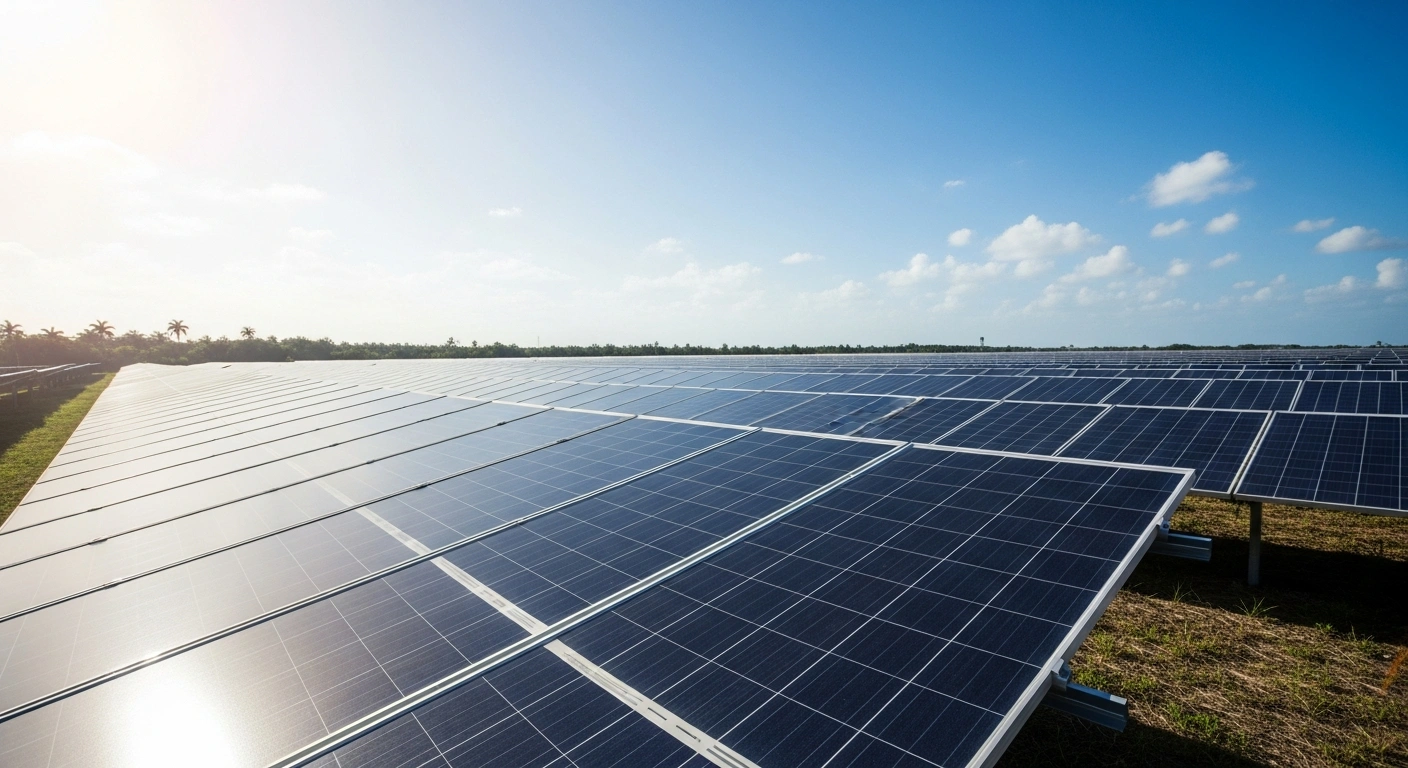
To combat chronic power outages, Cuba is rapidly expanding its solar energy infrastructure. The initiative, supported by Chinese technology and financing, aims to install 2,000 megawatts of solar capacity by 2028, marking a significant shift in the nation's energy strategy to reduce dependence on imported fossil fuels.
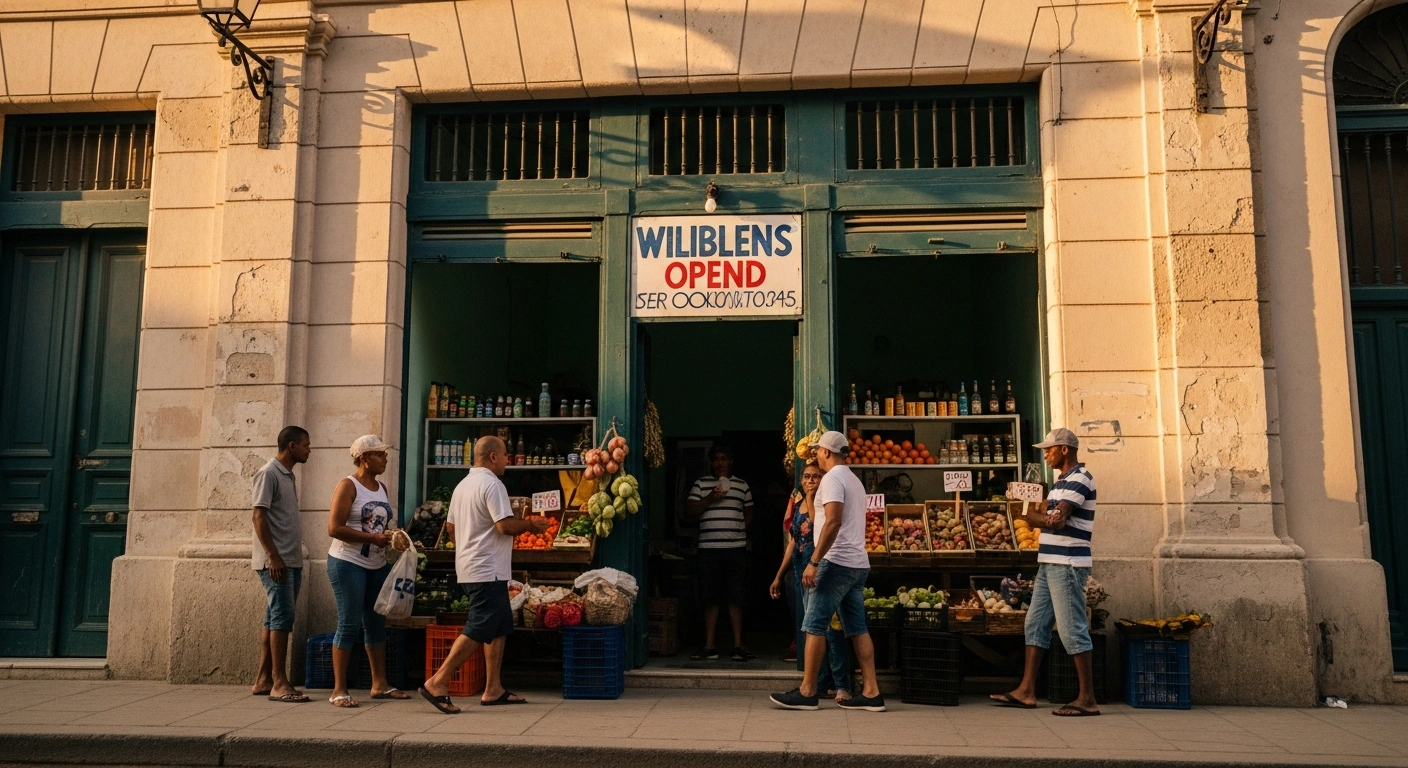
Cuba's private sector is experiencing growth as small and medium-sized enterprises, known as 'mipymes', increasingly operate to address shortages and service gaps left by the state-run economy. These businesses, legalized in 2021, are playing a significant role in the country's evolving economic landscape as it navigates ongoing financial difficulties.
Fuel and Energy Crisis Disrupts Catholic Church Operations in Cuba
Persistent fuel and electricity shortages in Cuba are severely impacting Catholic Church ministries. The lack of reliable power and resources has disrupted essential operations, including the production of Communion hosts, forcing religious institutions to adapt to the country's ongoing economic and energy challenges.
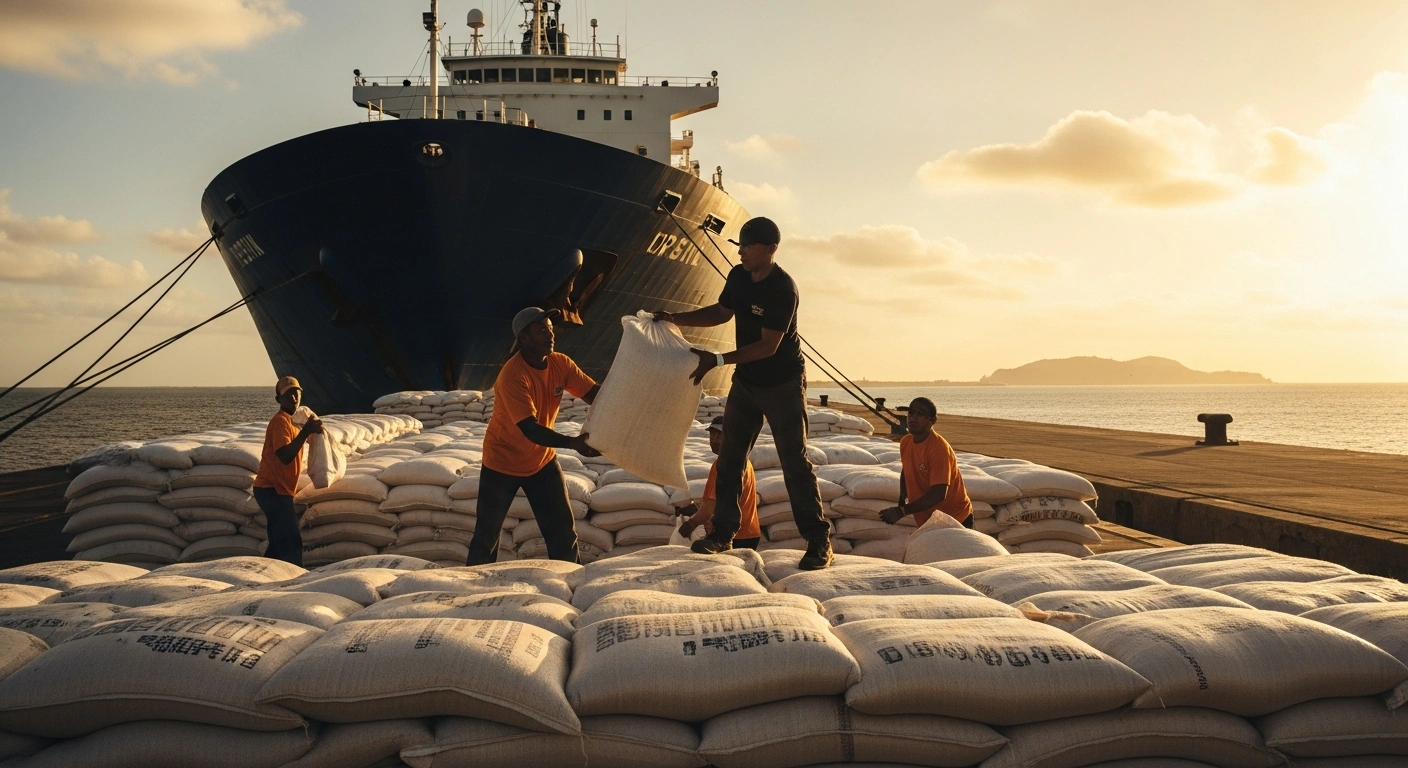
Vietnam has provided 1,200 tonnes of rice to Cuba to assist the nation in addressing ongoing food security challenges. This donation, facilitated by a Vietnamese firm, underscores the long-standing bilateral cooperation between the two countries as Cuba continues to navigate significant economic and humanitarian difficulties.
Cuba Implements Severe Inter-City Travel Restrictions Amid Fuel Crisis
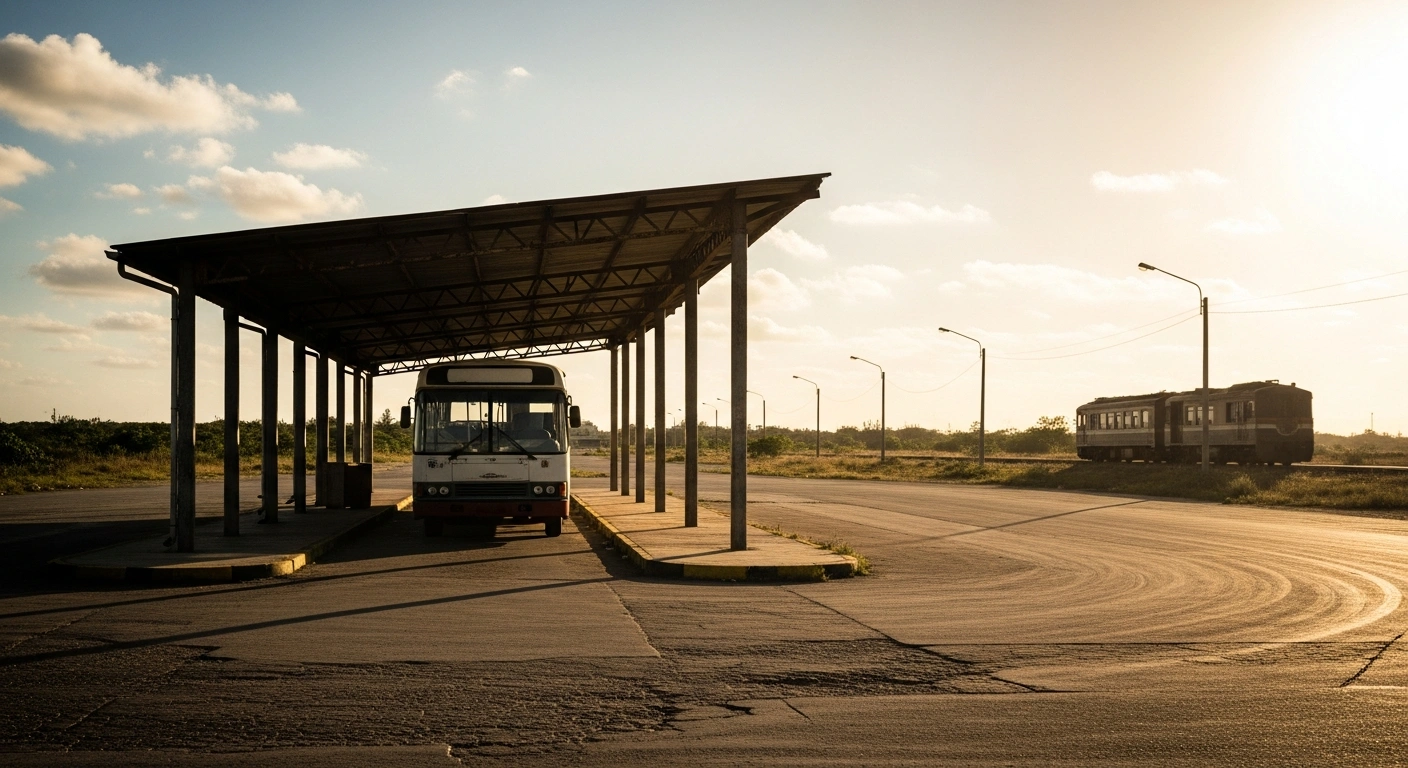
Facing a critical shortage of fuel, Cuban authorities have announced significant restrictions on inter-city transportation. The measures impact both national bus and train services, severely limiting mobility across the island as the government struggles to manage dwindling energy supplies and maintain essential public services.
Mexico and Belize Deliver Humanitarian Aid to Cuba Amidst Supply Shortages
Cuba has received a significant shipment of 1,700 tons of food and essential commodities from Mexico and Belize. This international aid effort aims to support the island nation as it grapples with persistent shortages of basic goods, reflecting ongoing regional cooperation to address the humanitarian challenges currently facing the Cuban population.